FrontPageImage

Concept

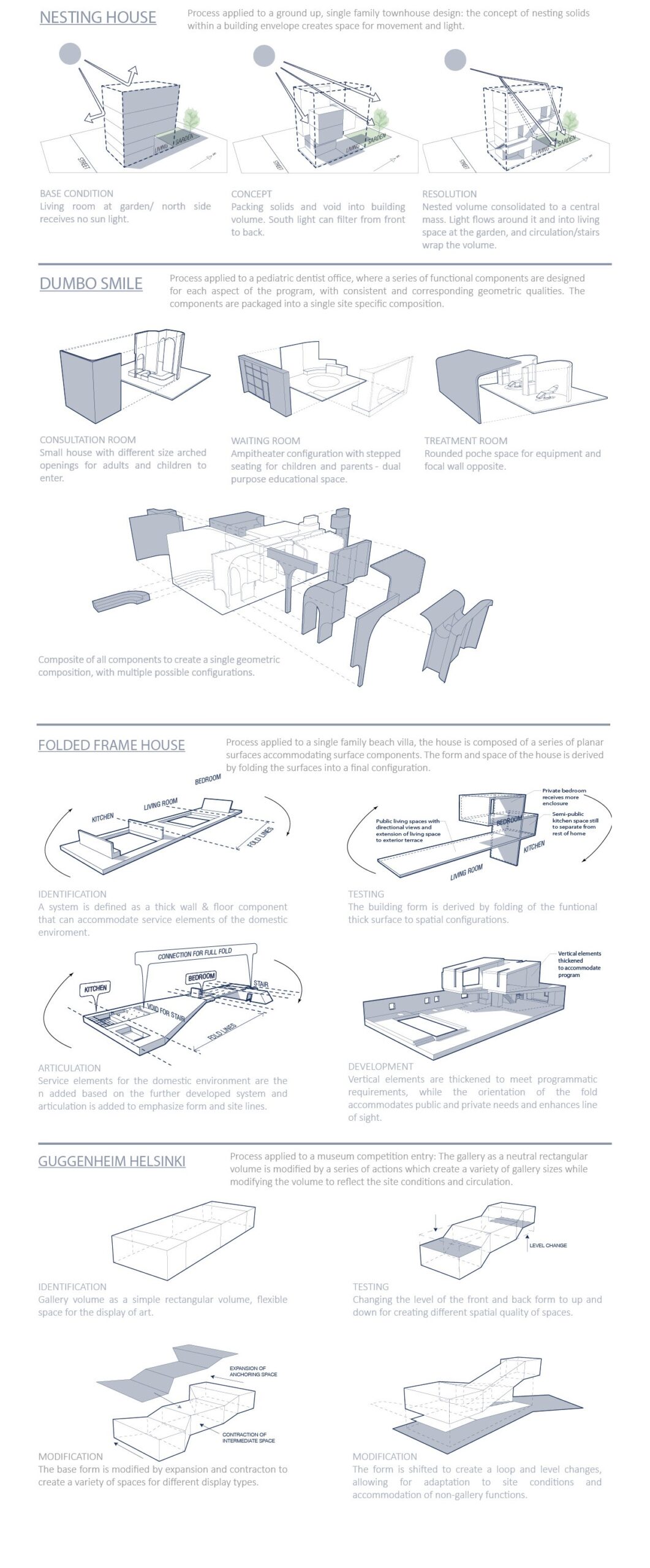
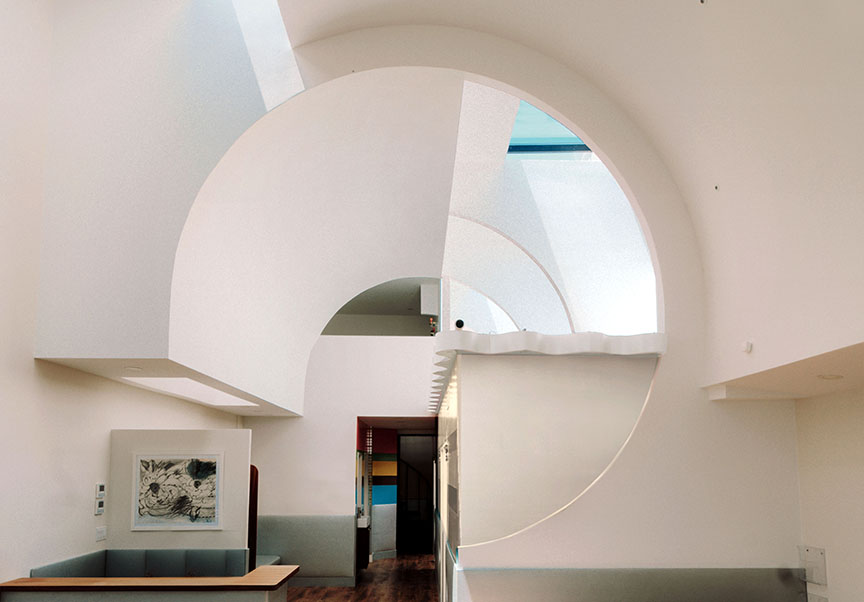
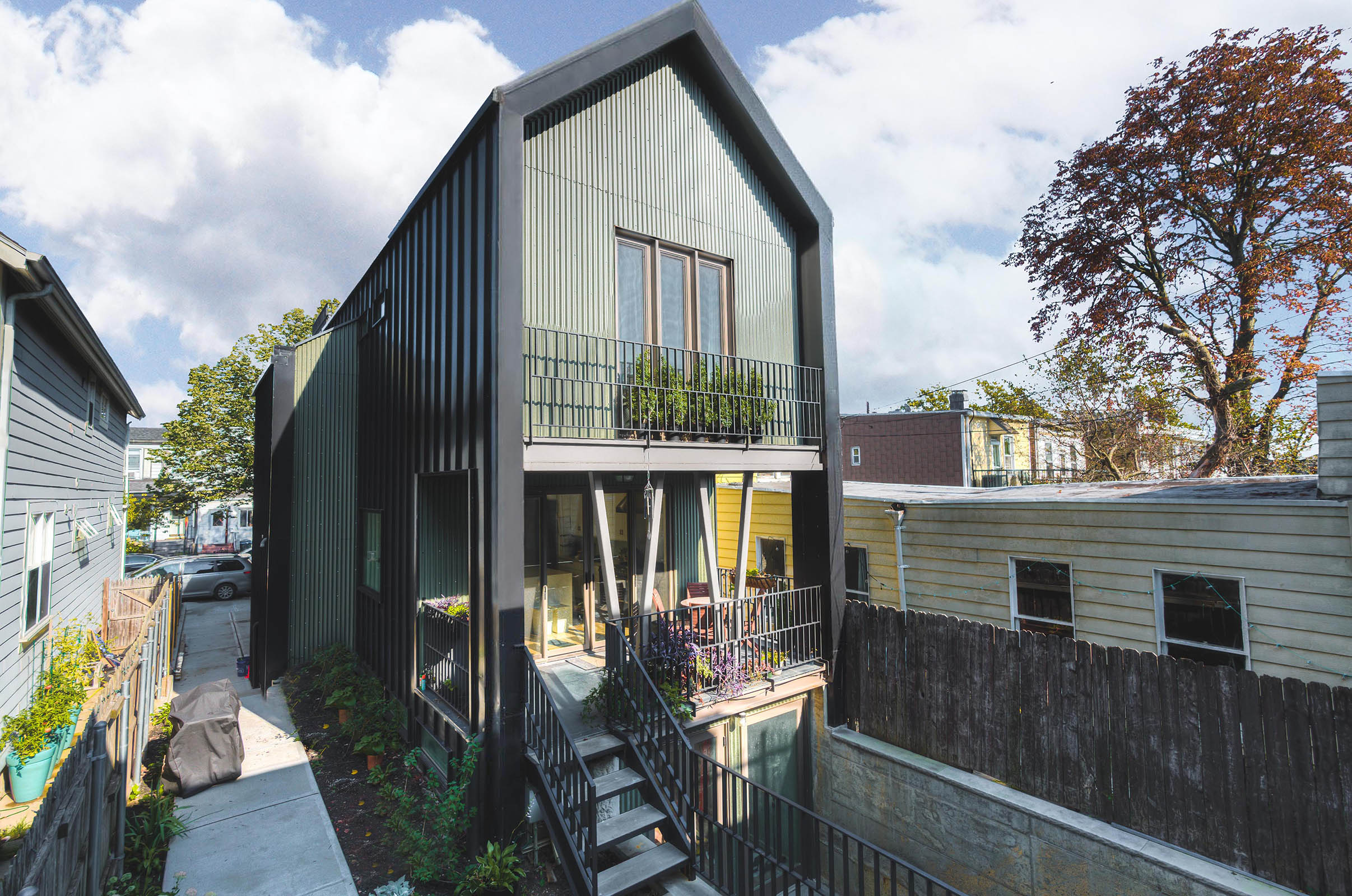
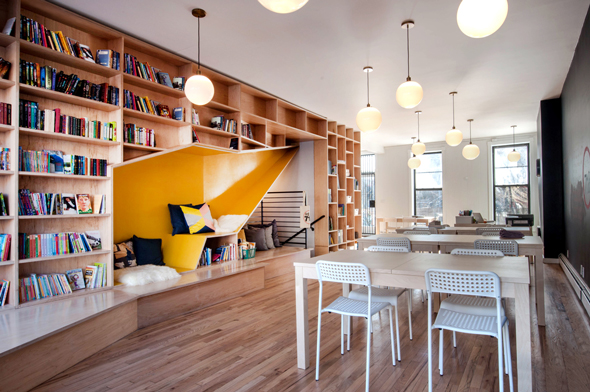
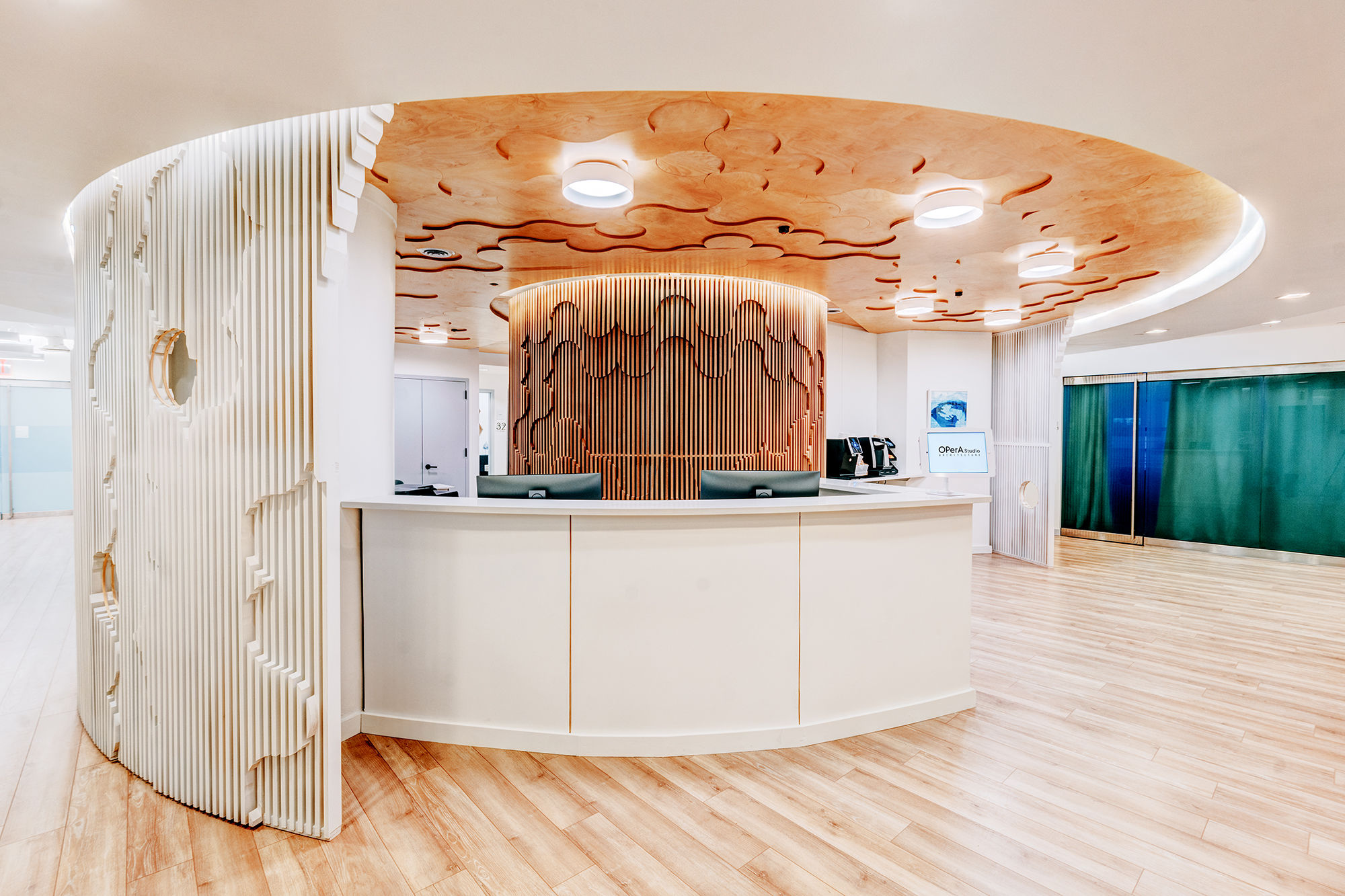
OPerA stands for "Operative Practice in Architecture." The design process starts with the development of formal systems that are operable, that operate according to the programmatic or environmental opportunities that the individual project provides. In an operative system, form is never arbitrary, heroic, or representative, but functional, responsive, and performative. Economics of production and use are built into the aesthetic properties of architecture, and are linked directly to the initial design decisions. A project's design, its' visual aspects, are derived systematically from maximizing the potential of building systems to express themselves and provide the basis for aesthetics.

Services

OPerA Studio is a full service architecture and interior design firm, licensed to practice architecture in New York State. Our services span the length of a typical project. At the outset, we provide initial zoning and feasibility studies, and file for approvals from city agencies such as the Landmarks Preservation Commission, the Department of City Planning, the Department of Buildings, and the Board of Standards and Appeals.

During the design phase we work closely with the client, our consultants, and as early as possible with contractors. We rely on fabricators' input to inform our designs, and we often seek out fabricators prior to the selection of a general contractor to ensure that our details and concepts can be artfully implemented. We also believe in close collaboration with other professionals, especially those in the real estate industry, who can inform the design team of market trends and expectations. We provide fully detailed construction documents, and during construction, we meet weekly with contractors on site to ensure that each aspect of our design is properly realized. We find that establishing a working relationship with builders and fabricators, and consultants at an early stage increases efficiency, allows for cost reductions, and avoids schedule overruns.

Experience

OPerA Studio is led by Thomas Barry, a licensed architect and LEED accredited professional. Thomas has over twelve years of experience overseeing projects of various building types and sizes. Most recently, from 2007 to 2010, he was an associate partner at Archi-Tectonics, a leading international design firm, which he joined in 2005. Projects that he led at Archi-Tectonics include new, ground up multi-unit condominium and mixed-use buildings, large scale conversions of existing buildings, smaller scale townhouse renovations and additions, high-end retail, high end residential, and commercial projects. Many of these projects received approval from the New York City Landmarks Commission, and for others he obtained zoning changes from the City Planning Department and the Board of Standards and Appeals. Prior to joining Archi-Tectonics, Thomas completed many projects at both Davis Brody Bond and Fox and Fowle Architects, including a series of educational and institutional building types such as hospitality, fitness, office, primary and higher education, community use, libraries, and laboratories. For a complete project list, please see the Experience section of this web site.

Thomas received his Master of Architecture degree from Harvard University and his Bachelor of Architecture degree from Syracuse University. He has taught architectural design at Cornell University and at New York Institute of Technology, and has been a visiting critic at the University of Pennsylvania, Harvard University, and the Pratt Institute.

LEED/Green Design

Thomas Barry is a LEED (Leadership in Energy and Environmental Design) accredited professional, deemed by the US Green Building Council to oversee the LEED application process. LEED is a voluntary certification program that can be applied to any building type and any building lifecycle phase. The system promotes a whole-building approach to sustainability by recognizing performance in key areas. As associate partner at Archi-Tectonics, Thomas led the Little Red House Project in New York City, a conversion of an existing 30,000 SF warehouse to condominiums and commercial storefronts. The Little Red House project is registered for LEED gold certification. Prior the the implementation of LEED standards, while at Fox and Fowle Architects, Thomas was the project architect for the Black Rock Forest Center in Cornwall, NY. This project foresaw many of the LEED guidelines and implemented them before certification was available. In addition to using site harvested materials and systems such as composting toilets, passive ventilation and sun control, and geothermal heating and cooling, the building underwent simulated energy modeling to achieve maximum efficiency. At Opera Studio, our goal is to inform clients of the most cost effective ways to allow their projects to have the smallest possible impact on the environment. Visit the Client Resources section of this web site for more information.

268 St. Marks Ave.
268 St. Marks Ave.
Carroll Gardens Residence
Hotel Centro
Hotel Centro
Opera House
Opera House
Ponte Academia
Ponte Academia
Palos Verde Arts Center

268 St. Marks Avenue, Brooklyn, NY, 2011

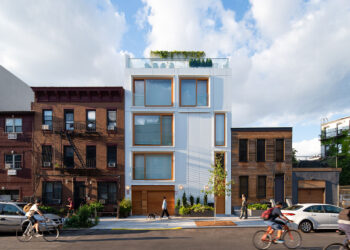
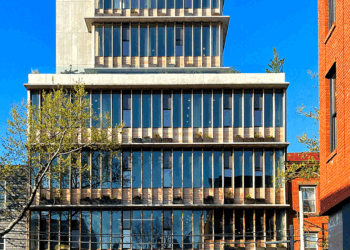
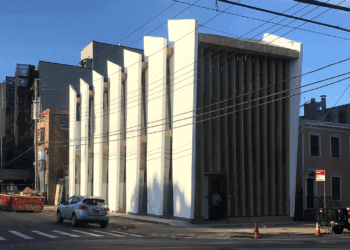
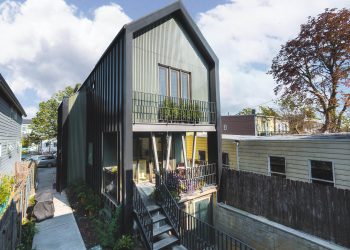
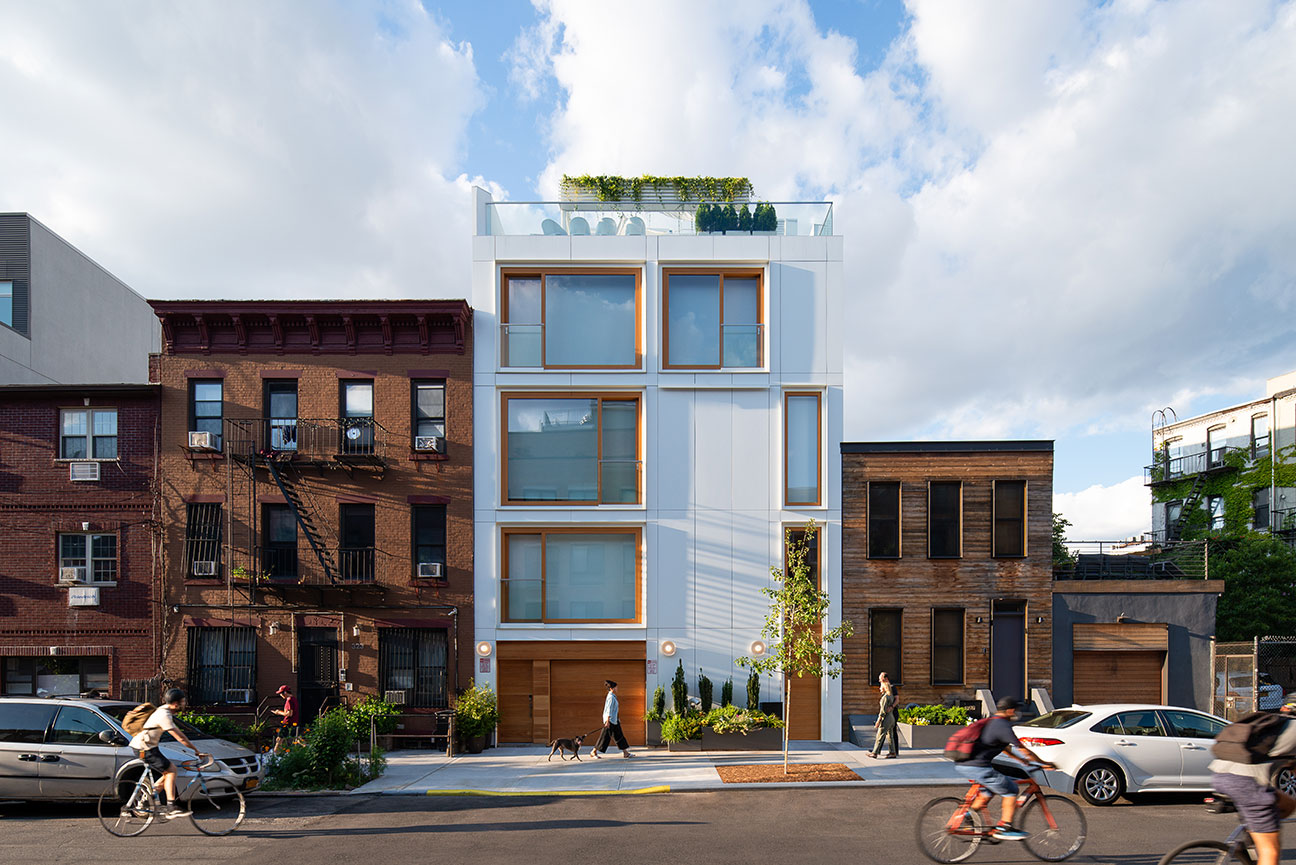
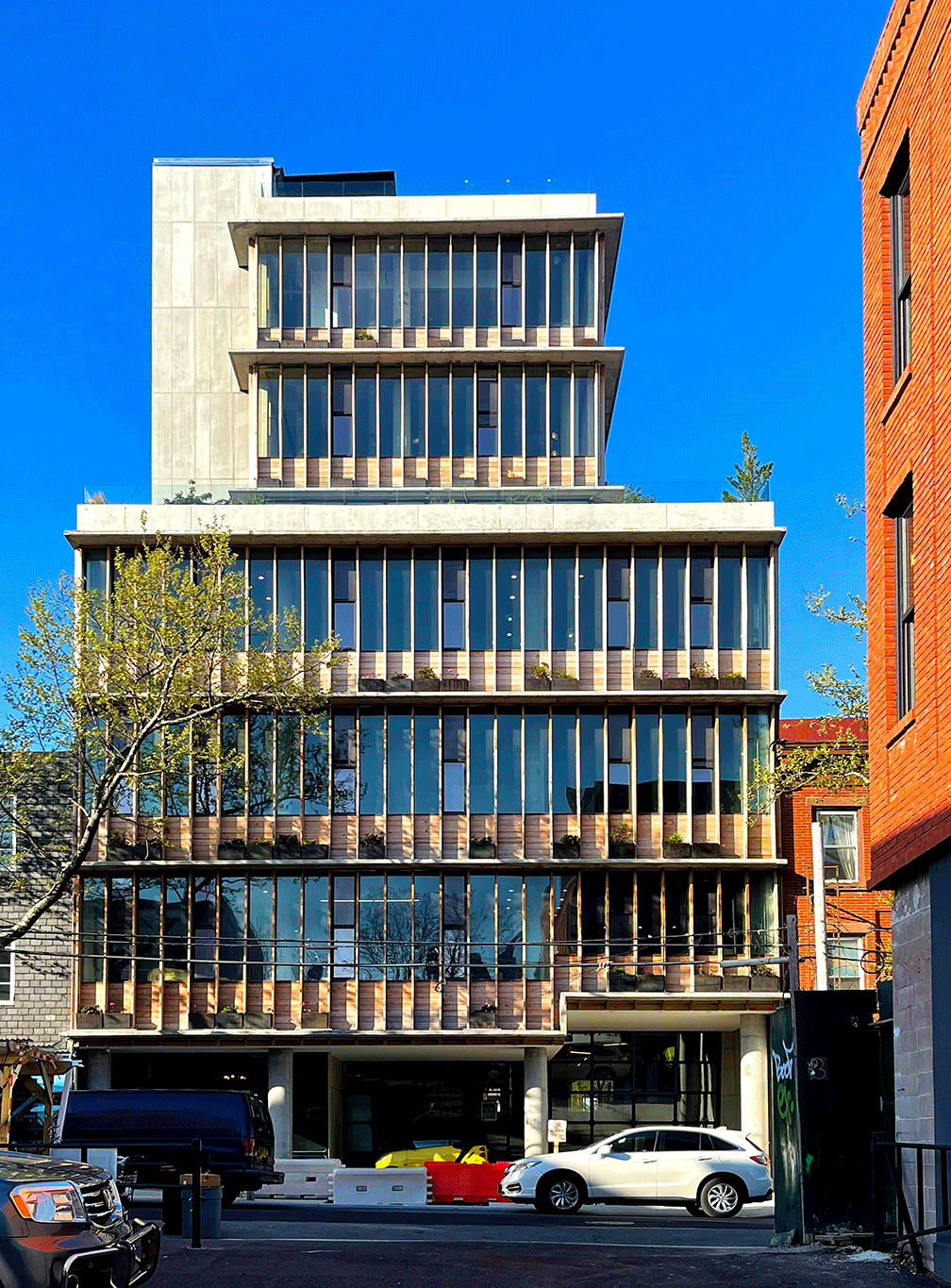
In 2011 OPerA Studio completed this zoning and design study for a Brooklyn developer for a site in Prospect Heights. The R6B zoning permitted a maximum 40 foot street wall and a maximum 50 foot building. These parameters implied a contextual relationship with adjacent townhomes.

The site is a combination of two typical 27' wide townhouse lots. Therefore, the building is articulated as a stacking and side-by-side placement of multiple simplex and duplex units, each the width of a typical townhouse. The zoning allows for lot coverage that results in a building that is significantly larger than that allowed by the F.A.R. This extra volume is taken advantage of to create multiple duplex units, including two duplex penthouses that span front to back.

Each street facing unit's facade is articulated by a single folding wall surface. The wall pushes out at the bedrooms to create a bay window effect with corner glazing. It simultaneously is pushed inward to create a terrace, separated from the living and dining room by a series of folding doors.

Street View Street View Zoning Diagram Stacking Diagram Section Townhouse View Townhouse View Townhouse Facade Plans1 Plans2 Garden Elevation

Carroll Gardens Residence, Brooklyn, NY, 2008

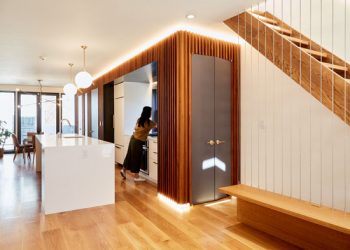
This three story townhouse in Carroll Gardens, Brooklyn, was in a state of disrepair when it was purchased in 2007, with a severely deteriorated front and rear masonry facade, sagging floor joists, and unsalvagable interior finishes. The gut renovation included rebuilding the front and rear facade, replacing most of the floor joists for the 1st and 2nd floors, and a complete reconfiguration of the interior on the 1st and 2nd floors. The ground floor was reconfigured as a single open space, with visual focus on the opening to the rear garden. The rear facade was rebuilt with a steel transfer beam at the ground floor level, allowing for the entire 1st floor space to be opened up with a bi-parting Nanawall system that incorporates an extension of the kitchen counter. A set of french doors at the 2nd floor open up to a Juliet balcony, visually connecting the 2nd floor back to the garden at the rear.

Kitchen Dining Detail Axon of Scope Before and After Garden Nanawall Front and Rear Lower Level Plan 1st Floor Plan

Hotel Centro, Guadelajara, 2011

The concept for Hotel Centro begins with the creation of a structural core and facade, each developed from a triangulated frame that serves as the primary vertical structure. The core serves as a central shaft for light and air at the center of the building. Integrated into the structural core is an inviting communicating stair.

The facade and core are connected by a series of programatically flexible nodes, one on each level. Their uses range from lounge spaces to special event and party rooms, a small cafe, library, or work space. In addition to providing amenity spaces throughout the hotel, these spaces provide natural light to the interior corridor, and can be left open-air in good weather to allow air circulation through the facade and up through the central core for natural ventilation and energy savings.

The program nodes are expressed on the facade, and their placement creates a shifting of the structural frame, which results in a series of unique panel sizes.

The building's core extends to the roof level, where it becomes a canopy covering the rooftop lounge and restaurant areas.

View 1 Core and Facade Core and Facade Exploded View Facade Genesis Facade Components Facade View Facade Detail Core Components Core View Cutaway View Roof Terrace Plan

OPerA House, New York. Design Phase

Central to the concept behind Opera-House is the fact that a great deal of energy efficiency and waste reduction, as well as increased environmental comfort, can be achieved through prefabrication processes in controlled environments. Therefore, the concept uses the prefabrication of a series of fixed elements as a starting point. While utilizing prefabrication, we wanted to avoid one of its' major limitations: the confinement to a module (usually a box), sized to fit on a truck for transport, which often results in the primacy of the box, or a series of boxes, in the design of the building.

In this design, the module was reconsidered as a ten foot wide construction bay. The primary elements are a series of walls that are with a depth that allows them to act as vertical trusses. Each wall is tilted up into place, and their thickness allows them to contain the service aspects of the building: stairs, bathrooms, storage and circulation. In addition, the thickness of the walls allows them to operate as passive climate control devices. The north facade is developed as a double skin with interior doors and exterior shutters, which allows it to be closed off for increased insulation against northern cold winds in winter, and opened up for balconies in the summer to assist in passive cross and stack ventilation in the house. The south facade utilizes its thickness to create summer sun shading, with a built in light shelf to reflect winter sun deep into the space to minimize the necessity for artificial lighting. The central wall modules are designed as a vertical garden, which can open up to the interior spaces and at the top to create stack effect natural ventilation, eliminating the need for air conditioning on most summer days. This space contains all of the house's circulation.

Floor and roof plates are simple slabs spanning between wall modules with a ten foot standard width. East and west facades are infilled and designed with vertical baffles for shielding east and west sun.

Modules were developed to be similar enough to each other to streamline their fabrication, yet with built-in variability that allows each to respond to its specific performance requirement on the site. The design evolves as a reaction to the manner in which each unit operates. Therefore the name: Opera(tive)-House.

Entry Wall Modules Floor Slabs and Facades Section Construction Diagram Environmental Diagram South Facade Exploded View Living Room Kitchen Atrium Atrium Roof Terrace Plans

Ponte Academia, Venice Italy. 2006

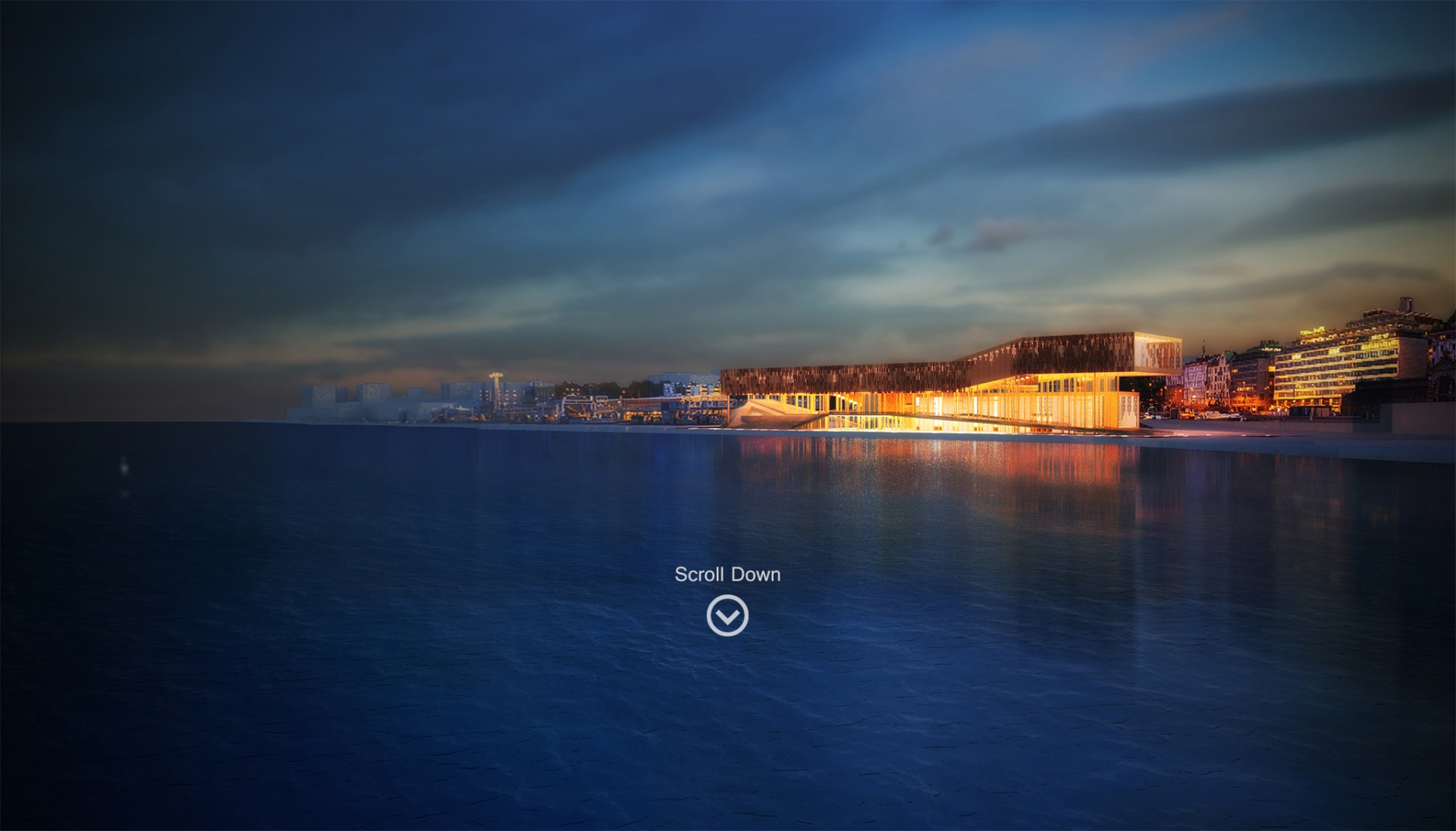
In 2006, we submitted our proposal to Arquitectum's international design competition for reconstruction of the Ponte della Academia in Venice, Italy. There currently exists on the site a temporary wooden bridge, which is to be replaced with a new structure that would also contain gallery spaces to host rotating exhibits on the history of Venice. As a starting point, we referenced the construction system of historic venetian stone tracery. Each of the facades aligning the grand canal features a large multi-story void, with an open stonework that supports its balconies. These light facades extend to the water, reflected in the canal and contributing to the ethereal nature of the city. The stonework is created out of a series of smaller modules which, in combination, contributes to the effect of the facade.

Our design concept took this module system as a launching point, but translated it into a 3-dimensional occupied structure spanning the canal and containing the gallery spaces. Seven standard modules derived out of two basic types – one vertical spanning and one horizontal spanning. Modules are built from variant molds, which have parts that can be switched out to allow the basic unit to fit into different connection conditions. The horizontal modules have flat and sloped variations, allowing for vertical movement.

Each of the seven base modules fit together in various configurations to create the 3-dimensional span of the bridge and the interior spaces. A secondary set of modules infills the base modules to enclose the interior galleries. The form of the modules is designed to create horizontal surfaces for seating at the bridge and display elements within the gallery. The final effect is a geometrical tracery of open structure that floats above and is reflected by the canal.

View Modules View Passage Bridge Gallery Plan

Palos Verde Arts Center, Palos Verde, California.

The competition brief for the Palos Verde Arts Center asked for the creation of a community arts center containing gallery and studio spaces as well as outdoor gathering spaces. The design is built around the creation of two large intersecting mural surfaces, one oriented to the internal space, and the other oriented to the heavy automobile traffic artery that borders the site. The galleries and studios are situated on opposite sides of a central circulation spine that is open to the sky. A dialogue is created between these two spaces across the spine.

The mural bordering the high-traffic artery of Crenshaw Boulevard is intended to announce the function of the building as a community arts center to passing traffic. The studio spaces project past the streetside mural, with shuttered translucent glazing displaying the activities within (or not, as appropriate). The result is a collage surface of art and activity. The two murals together establish the geometrical order for the building, and create the union of art and architectural form.

The internal mural is oriented towards the pedestrians in the central circulation spine. The walls that define the spine open up to reveal the mural as one moves through the space. The studio spaces sit beyond a sheltering covered walkway to the left, and the gallery spaces sit beyond sculpture gardens to the right.

Birdseye View Approach Central Passage Section Plan View of Sculpture Court View of Studio View of Garden View of Gallery Gallery Studio

Experience

Carroll Gardens Residence

Carroll Gardens Residence, Brooklyn, NY

  • Opera Studio
  • Gut renovation and reconstruction of front and rear facades and internal structural remediation of three story, two family townhouse. Reconfiguration of layout of two-story garden unit, including new kitchen, bathrooms, and conversion of first floor to open floor plan.
  • Construction Completed 2008
Download PDF
268 St. Marks Avenue

268 St Marks Avenue, Brooklyn, NY

  • Opera Studio
  • Zoning and Design study for a Brooklyn developer for a 5 story multi-unit condominium building in Prospect Heights.
  • 2011
Download PDF
Hotel Centro

Hotel Centro, Guadelajara

  • Opera Studio
  • Competition entry for a new hotel in the historic district.
  • 2011
Download PDF
Opera House

Opera House

  • Opera Studio
  • In design phase, new single family home constructed with tilt-up prefabricated construction elements. Energy efficient design features are integral to the building's construction elements and configuration.
  • 2010-2011
Download PDF
33 Vestry Street

33 Vestry Street Condominium, New York, NY

  • Archi-Tectonics
  • New, 33,000 SF, 9 story high end luxury condominium in Tribeca, New York City. Units include two 3-story garden townhouses at the base, four single-story units, and a duplex penthouse with roof terrace and pool. This project received approval from the New York City Landmarks Commission as a new building in an historic district, as well as a BSA variance for construction of a residential building in the special Tribeca Mixed Use manufacturing district.
  • Construction completion 2010
Download PDF
W24 Townhouse

W24 Townhouse, New York, NY

  • Archi-Tectonics
  • Two story addition to and complete interior gut renovation of landmarked 1860s townhouse in Chelsea, New York City. New mechanical, electrical, and plumbing systems and structural remediation. Approval from the Landmarks Commission for new rear facade.
  • Construction completion 2010
Download PDF
Ports Shanghai

Ports 1961 Shanghai Flagship Store

  • Archi-Tectonics
  • Shanghai flagship store for Ports 1961 in the Bund district. Featuring CNC milled integrated display armature.
  • Construction completed 2011
Download PDF
Ports London

Ports 1961 London Shop

  • Archi-Tectonics
  • First London shop for high-end fashion retailer Ports 1961. Located within the Harvey Nichols department store.
  • Construction completed 2010
Download PDF
SoHo Zoning Study

Soho Zoning Study, New York, NY

  • Archi-Tectonics
  • Zoning and feasibility study for client for three story addition to existing two story building in SoHo, New York City.
  • 2010
Download PDF
Little Red House

Little Red House, New York, NY

  • Archi-Tectonics
  • Located in Little Italy, New York. Six story warehouse converted to 5 stories of residential condominiums with ground floor retail and new storefront. The project received a Special Permit from the City Planning Commission for conversion of existing commercial building to residential use in the Little Italy special district. Work included a new building core constructed within the existing masonry envelope. The building contains complete new mechanical systems, and is registered for LEED Gold certification.
  • Construction completion 2010
Download PDF
150 wooster street

150 Wooster Street, New York, NY

  • Archi-Tectonics
  • Invited proposal for a new, 46,000 SF condominium buidling with ground floor retail in SoHo, New York City.
  • 2010
Download PDF
Brooklyn Navy Yard

Brooklyn Navy Yard Industrial Building, Brooklyn, NY

  • Archi-Tectonics
  • Design proposal for new speculative light industrial building consting of two 10,000 SF ground floor units and 10 1,500 SF upper floor units.
  • 2009
Download PDF
Abu Dhabi Development

Abu Dhabi Towers, UAE

  • Archi-Tectonics
  • Invited competition for two 50 story towers in Abu Dhabi. Planning for 2,500,000 SF of program space including hotel, residential hotel, speculative office space, and shopping promenades.
  • 2009
Download PDF
Duane Street Spa

Duane Street Spa, Tribeca, NY

  • Archi-Tectonics
  • Design of New, 2 1/2 story 9700 square foot spa in Tribeca, NY.
  • Under Construction
American Loft Building

American Loft Building, Philadelphia, PA

  • Archi-Tectonics
  • New, 14 story residential building in Philadelphia's Northern Liberties neihborhood. Project included zoning approval by the Philadelphia City Planning Department. The building features a pre-fabricated panelized facade system
  • Construction completed 2009
Download PDF
Midtown Zoning Study

Midtown Zoning Study, New York, NY

  • Archi-Tectonics
  • Zoning analysis, massing, feasibility and design study for a mid-block site in mid-town Manhattan.
  • 2008
Download PDF
140 Sixth Avenue

140 Sixth Avenue Hotel, New York, NY

  • Archi-Tectonics
  • Zoning, feasibility, and design study for developer of a new, 18 story boutique hotel in West SoHo, New York City.
  • Date
Homeport

Homeport Waterfront Development, Staten Island, NY

  • Archi-Tectonics
  • Winning competition entry for 120 unit waterfront development slated for LEED silver certification.
  • 2008
Download PDF
Brussels Mall

Brussels Mall, Brussels, Belgium

  • Archi-Tectonics
  • Design for 10,000 square meter retail and cultural complex in the Haute de la Ville, Brussels, Belgium. Project included reconfiguration and integration of existing infrastructure including links to the Metro and sinking of arterial road.
  • 2008
Drents Museum

Drents Museum, Netherlands

  • Archi-Tectonics
  • Invited competition for addition to existing museum.
  • 2007
Download PDF
80 South Street

80 South Street, New York, NY

  • Archi-Tectonics
  • Submission for an invited competition among 5 firms for a new, 65 story mixed use tower adjacent to South Street Seaport. Proposal included zoning study and feasibility study. The program included a commercial base with residential units above.
  • 2007
Download PDF
Q Tower

Q-Tower, Philadelphia, PA

  • Archi-Tectonics
  • New, 15 story residential tower with commercial base. Included parametric panelized facade system and geothermal heating and cooling system. Zoning study and approval by the Philadelphia City Planning department. Design through construction documents.
  • 2006-2007
Download PDF
Houthaven Pier

Houthaven Pier, Amsterdam

  • Archi-Tectonics
  • Invited competition proposal for a mixed use commercial and residential development.
  • 2006
Ponte Academia

Ponte Academia Competition, Venice

  • Opera Studio
  • Competition entry for the rebuiding of the Ponte Academia in Venice, Italy.
  • 2006
Download PDF
Watermill Center

Watermill Performing Arts Center, Watermill, NY

  • Michielli and Wyetzner Architects
  • Reconstruction of performing arts center, including redesign and recladding of exterior envelope.
  • Construction completed in 2006.
Download PDF
Watermill House

Watermill House Addition, Watermill, NY

  • Michielli and Wyetzner Architects
  • Addition to private house, including new porch and garage.
  • Construction completed in 2008.
Download PDF
West Virginia University

West Virginia University Health Sciences Library, Morgantown, West Virginia

  • David Brody Bond Architects
  • Project architect and designer for new 40,000 square foot facility, including an expansion and renovation and reconfiguration of the existing library, a new central commons space for the school, additional classrooms, and three new lecture halls.
  • Construction completed in 2006.
Download PDF
Whitney Museum Expansion

Whitney Museum of American Art Expansion, New York, NY

  • Office for Metropolitan Architecture
  • Team member for a design and feasibility study for doubling the existing space and support space of the museum. Included work with zoning consultants and preparation for review by the New York City Landmarks Commission.
  • 2002
Download PDF
Harvard Club of New York

Harvard Club of New York Expansion

  • Davis Brody Bond Architects
  • Project Architect for interior portion of new 8 story building for the Harvard Club. Designed, detailed, and oversaw construction of mixed use functions including fitness club, offices, hotel rooms, banquet halls, a media center, new lobby, and new commercial kitchen.
  • Construction competed in 2003.
Download PDF
Harlem Children's Zone

Harlem Children's Zone, New York, NY

  • Davis Brody Bond Architects
  • Project Architect from programming through schematic design phases for new mixed use building at 125th street in Manhattan. Funtions include a charter school, community center, offices for the Harlem Children's Zone, and a publicly accessible library, gymnasium, and cafeteria.
  • Construction completed in 2005.
Download PDF
Dillard University

Dillard University Academic Building, New York, NY

  • Davis Brody Bond Architects
  • Project team member for design of new academic building
  • Construction completed in 2004.
Download PDF
Palos Verde Arts Center

Palos Verde Arts Center

  • Opera Studio
  • Entry for design of new community arts and exhibition center, Palos Verde, California.
  • 2000
Download PDF
TKTS2K

TKTS2K Competition

  • Opera Studio
  • Entry for design of new discount ticket booth in Times Square.
  • 1999
Download PDF
Lo Spazio

Lo Spazio

  • Opera Studio
  • Build-out of 2000 square foot Manhattan loft ñ conversion to 3-bedroom apartment.
  • 1998
East River Park

East River Park Competition

  • Opera Studio
  • Entry to the Van Alen Institute's ideas competition for rejuvenating New York City's East River.
  • 1998
Download PDF
Roma Interrota

Roma Interotta

  • Opera Studio
  • Design and exhibition, between 12 participants, for a reimagining of the Nolli Map of Rome.
  • 1998
Download PDF
Wadsworth Atheneum

Wadsworth Atheneum Expansion Study, Hartford, Connecticut

  • Fox and Fowle Architects.
  • Feasibility, programming, and design study for expanding and connecting the three existing buildings at the Wadsworth Atheneum.
  • 1999
92nd Street Y

Peekskill Artist Housing

  • Fox and Fowle Architects.
  • Design of 27 units of artist housing in downtown peekskill, NY
  • 1999
Black Rock Forest

Black Rock Forest Center, Cornwall, NY

  • Fox and Fowle Architects.
  • Project Architect for a new research and educational building for the Black Rock Forest Consortium in Cornwall, NY. Includes new classrooms, laboratories, visitor center, and caretaker's apartment.
  • Built prior to the implementation of LEED standards, the project underwent energy analysis and implemented many of the LEED guidelines.
  • Construction completed 1999.
Download PDF
92nd Street Y

92nd Street YM/YWHA, New York, NY

  • Fox and Fowle Architects.
  • Design and construction documents for a new classroom building for the 92nd Street Y.
  • 1999
99 Jane Street

99 Jane Street Condominium, New York, NY

  • Fox and Fowle Architects.
  • 94 unit residential building and public garden.
  • Construction completed 1998.
Download PDF